


TL;DR:
- Portrait wall art personalizes spaces by depicting identifiable individuals, creating emotional impact.
- Choosing the right style, size, and arrangement enhances its effect and integration into home decor.
Portrait wall art is a form of artistic representation that depicts identifiable individuals through painting, photography, digital media, or print to personalize and enrich your living space. Unlike abstract or landscape art, a portrait places the face at the center of the composition, capturing both physical likeness and personal character. The result is wall decor that carries emotional weight no generic print can match. This guide covers what portrait wall art is, the main types and styles, how to choose or create a piece, and how to style it effectively in your home.
What is portrait wall art, and how does it differ from other decor?
Portrait wall art is any framed or mounted artwork where a specific, identifiable person is the primary subject. That definition covers oil paintings of ancestors, black-and-white photography prints, watercolor family portraits, and digitally rendered character studies. What separates portrait art from other types of wall art is intent: the goal is to represent a person, not a place, object, or feeling.
Portrait art goes beyond surface likeness. A strong portrait reflects identity, power, and mood, communicating something about who the subject is, not just what they look like. That depth is why portrait art has held a central place in homes from Renaissance manor houses to modern apartments. It tells a story no landscape print can.
The practical distinction matters when you are shopping. A mural covers a wall with a scene. Abstract art evokes emotion through shape and color. Portrait wall art creates a direct human connection. That connection is the defining feature, and it shapes every decision you make about medium, style, and placement.
Types of portrait art: styles, mediums, and formats
Portraits can be painted, photographed, sculpted, drawn, or digitally rendered across a wide range of formats. Each medium produces a different emotional register, and each format serves a different wall and room.
Portrait formats
- Headshot or bust portrait. The face and shoulders fill the frame. This format works well in tight spaces like hallways or reading nooks.
- Half-body portrait. Shows the subject from the waist up, adding context through hands, clothing, and posture.
- Full-length portrait. The entire figure appears, often set against a background. This format commands a large wall and works best as a solo statement piece.
- Group portrait. Multiple subjects share the frame, making this the natural choice for family galleries.
- Self-portrait. The artist depicts themselves, a tradition running from Rembrandt to contemporary digital artists.
Portrait art styles
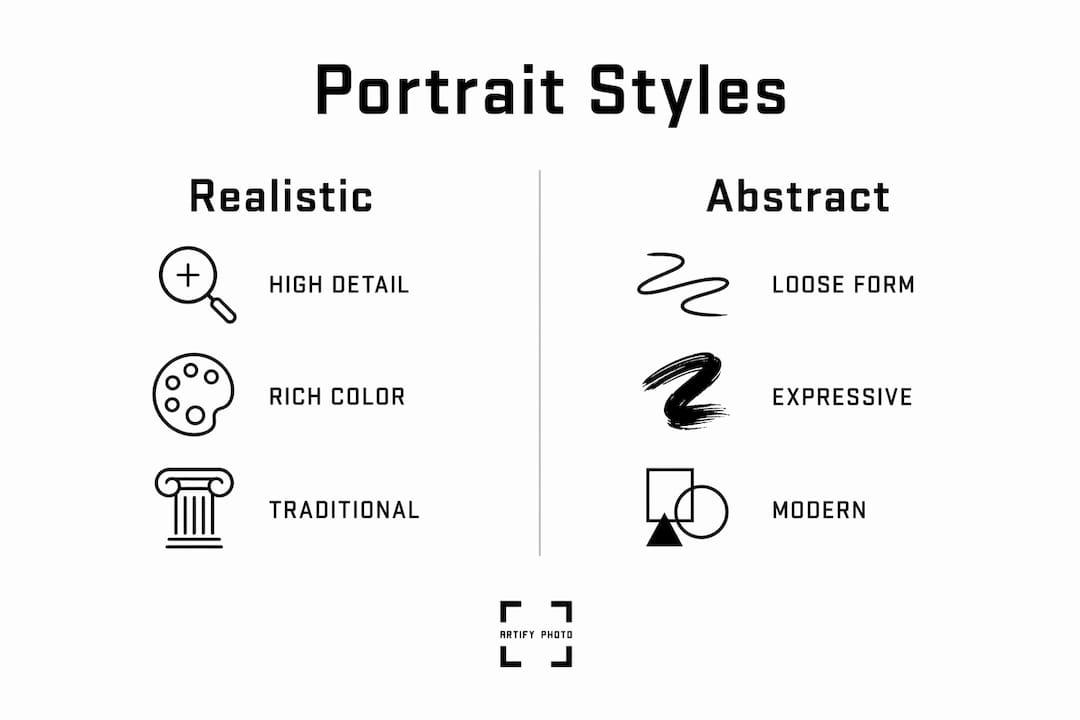
Portrait art styles range from strict realism to loose abstraction. Realistic portraits prioritize accurate likeness and fine detail. Stylized portraits, including watercolor, impressionist, and pop art interpretations, prioritize mood and personality over photographic accuracy. Conceptual portraits use symbolic elements to represent identity rather than physical appearance.
The table below compares the most common portrait art styles by their defining traits and best use cases.
| Style | Key trait | Best room fit |
|---|---|---|
| Realistic oil painting | High detail, rich color depth | Formal living room, study |
| Watercolor portrait | Soft edges, translucent layers | Bedroom, nursery |
| Black-and-white photography | High contrast, timeless feel | Hallway, home office |
| Pop art portrait | Bold color, graphic outlines | Playroom, creative studio |
| Digital illustration | Flexible style, print-ready | Any room, gallery wall |
Photography deserves special mention. Portrait photography uses lighting, composition, and pose intentionally to reveal personality and story. A skilled portrait photographer builds rapport with the subject to capture authentic expressions. That interpersonal element is what separates a portrait photograph from a casual snapshot, and it is why fine art portrait photography commands the same wall space as painted work.
How to create or select portrait wall art for your home
Choosing portrait wall art starts with deciding between commissioning a custom piece, ordering a personalized print, or buying from a pre-made collection. Each path suits a different budget and timeline.
- Commission a custom portrait. You hire an artist to create an original work from a photograph or live sitting. This produces the most personal result and suits heirloom-quality pieces. Lead times vary widely by artist.
- Order a personalized digital print. You upload a photograph and choose an artistic style. Platforms like Artify convert your photo into a painted or illustrated portrait, printed on gallery-quality material. This option balances personalization with convenience.
- Buy from a pre-made collection. Curated portrait art collections offer ready-to-hang pieces in a range of styles. This works well when you want portrait art for its aesthetic rather than its personal connection.
- Create your own. If you paint, draw, or work digitally, a self-made portrait carries its own meaning. Even amateur work gains value when it represents someone you love.
Choosing size, framing, and style
Size is the most common mistake homeowners make. A portrait that is too small on a large wall disappears. Measure your wall space first, then choose a piece that fills at least one third of the wall width for a solo display. For a gallery wall, the anchor portrait should be the largest piece and placed at eye level, roughly 57–60 inches from the floor to the center of the frame.
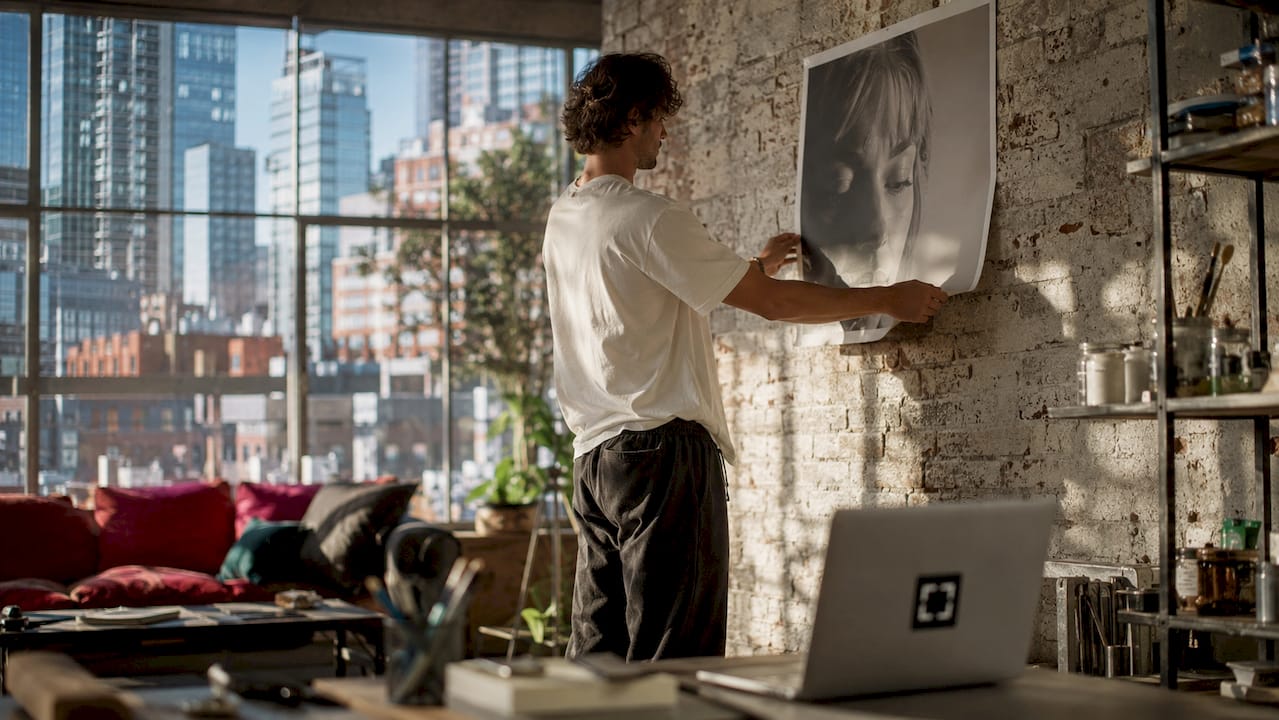
Frame choice shapes the entire mood. Dark wood frames read as traditional and formal. Thin metal frames feel contemporary. Floating frames, where the print sits inside a recessed box, suit modern and minimalist rooms. Match the frame finish to at least one other metal or wood tone already in the room.
Pro Tip: Before ordering, use a 3D room preview tool, like the one Artify offers, to see how a portrait looks on your actual wall before you commit to a size or frame.
Style alignment matters as much as size. A hyper-realistic oil portrait looks out of place in a Scandinavian-minimal room. A loose watercolor portrait softens a room that already has clean lines. Match the portrait’s energy to the room’s existing decor, not just its color palette.
Why portrait wall art adds real value to your home
Portrait wall art creates a type of emotional engagement that generic decor cannot replicate. Good portraits capture likeness and mood, representing specific individuals rather than abstract types. That specificity is what makes a room feel lived in rather than staged.
The benefits of portrait wall art go beyond aesthetics:
- Personalization. A portrait of your family, a beloved pet, or yourself signals that the space belongs to real people with real histories.
- Emotional warmth. Portraits draw the eye and invite viewers to pause. That pause creates a sense of intimacy in a room.
- Storytelling. Heirloom portrait galleries become family narratives, reinforcing memory and belonging across generations.
- Aesthetic depth. A strong portrait adds visual complexity that abstract prints rarely achieve. The human face is the most compelling subject in art history.
“Portraits represent both how subjects look and how they want to be seen, blending likeness with interpretation.” — Portrait Art Explained
That dual function is what makes portrait wall art worth the investment. You are not just decorating a wall. You are placing a version of someone’s identity in your home, and that changes how the room feels to everyone who enters it.
How to style and arrange portrait wall art effectively
Arrangement determines whether portrait wall art reads as intentional or chaotic. The single most reliable method is to start with a larger anchor portrait and build outward from there. The anchor sets the visual center of gravity. Everything else orbits it.
Pro Tip: Lay your planned gallery wall arrangement on the floor before hanging anything. Photograph it from above, then compare it to the actual wall. This saves unnecessary nail holes and reveals spacing problems instantly.
Key styling principles for portrait wall art:
- Mix frame shapes, not just sizes. Combining rectangular, oval, and square frames adds visual rhythm without creating disorder.
- Keep consistent spacing. Two to three inches between frames is the standard for a gallery wall. Tighter spacing reads as intentional. Wider spacing reads as unfinished.
- Use symmetry for formal rooms, asymmetry for casual ones. A symmetrical arrangement of matching frames suits a dining room or entryway. An eclectic mix of sizes and styles suits a living room or staircase wall.
- Integrate with room elements. Align the bottom edge of your portrait arrangement with the top of a sofa or console table. This grounds the display and connects it to the furniture below.
The table below outlines common arrangement styles and where each works best.
| Arrangement style | Visual effect | Best location |
|---|---|---|
| Symmetrical grid | Formal, ordered | Dining room, entryway |
| Salon-style cluster | Rich, layered | Living room, staircase |
| Single statement piece | Bold, minimal | Bedroom, home office |
| Linear row | Clean, modern | Hallway, above sofa |
Mixing portrait wall art with other wall art trends works well when you treat the portrait as the anchor and use abstract or landscape pieces as supporting elements. The portrait carries the personal meaning. The surrounding pieces carry the aesthetic context.
Key takeaways
Portrait wall art is the most personal category of home decor because it places identifiable individuals at the center of your space, creating emotional connection that generic prints cannot achieve.
| Point | Details |
|---|---|
| Definition matters | Portrait wall art depicts specific individuals through painting, photography, or digital media. |
| Style shapes mood | Match portrait style (realistic, watercolor, pop art) to your room’s existing decor and energy. |
| Size is critical | The anchor portrait should fill at least one third of the wall width and hang at eye level. |
| Arrangement builds impact | Start with a large anchor piece and build outward, keeping 2–3 inches between frames. |
| Emotional value is real | Portraits create intimacy and storytelling that abstract or landscape art cannot replicate. |
Artify’s take on what portrait wall art really does for a home
After working with thousands of homeowners, the pattern is clear: people underestimate how much a single portrait changes a room. They spend weeks choosing a sofa color and hang whatever print is on sale. Then they commission or order a portrait, and suddenly the room has a center of gravity it never had before.
The most common challenge is confidence. Homeowners worry that a portrait will feel too formal, too sentimental, or too bold. That hesitation usually disappears the moment they see the piece on the wall. Portrait art does not need to be a grand oil painting to carry weight. A well-printed digital illustration of your family in a clean frame does the same job at a fraction of the cost.
The other mistake I see regularly is treating portrait art as a solo decision. The best results come from thinking about the portrait in relation to the room: its light, its furniture, its existing color story. A portrait chosen in isolation often fights the room. A portrait chosen with the room in mind completes it.
Contemporary portrait art trends in 2026 are moving toward mixed media and stylized digital illustration, which means there has never been a wider range of options for every taste and budget. The barrier to owning meaningful, gallery-quality portrait wall art is lower than it has ever been. The only real obstacle is deciding to start.
— Artify
Portrait wall art from Artify
Artify specializes in turning your personal photographs into gallery-quality custom portraits created by independent artists. Whether you want a realistic oil-style rendering or a bold pop art interpretation, the platform matches your photo to an artistic style and delivers a print-ready piece.
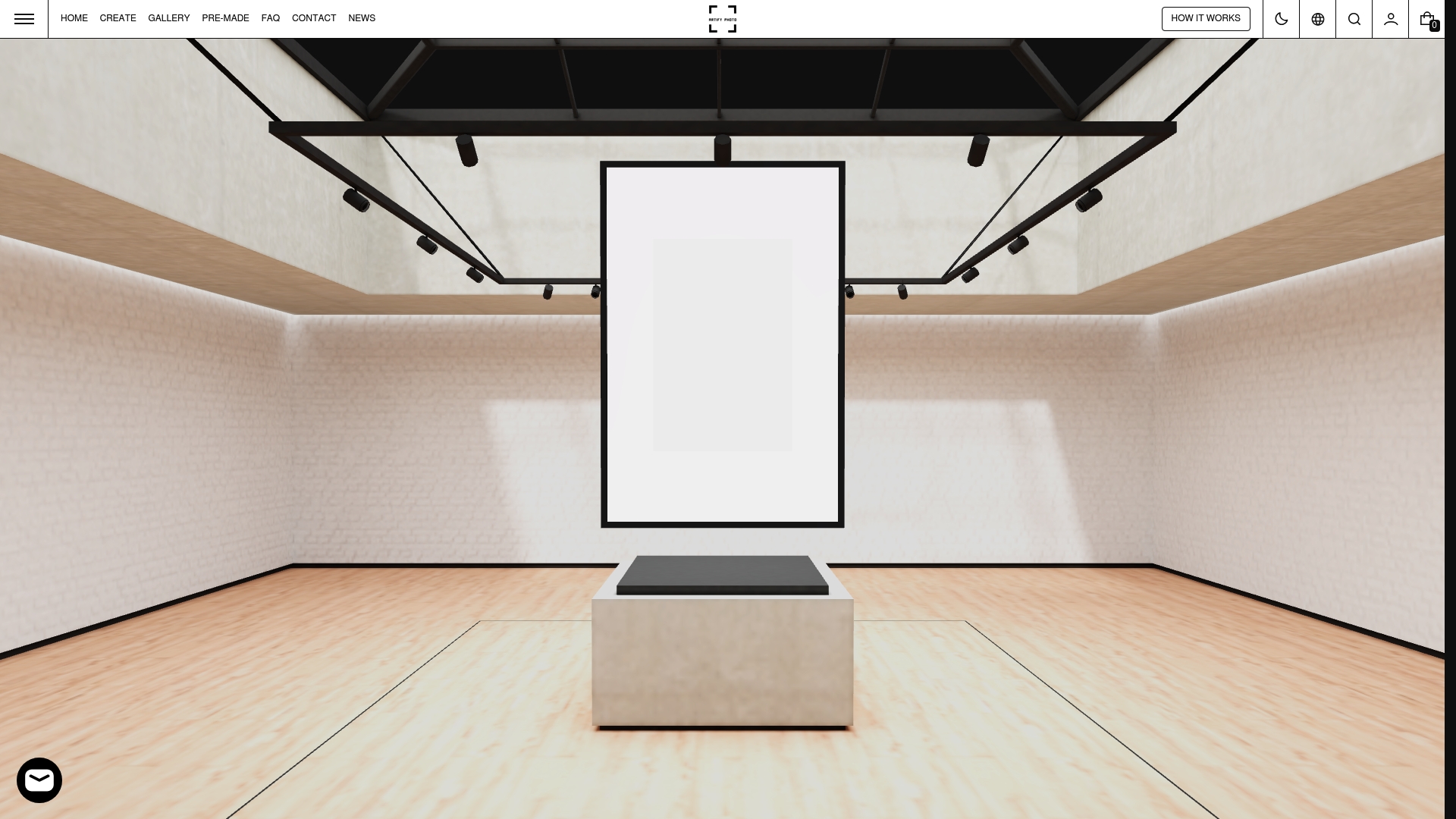
Artify also offers pre-made portrait collections for homeowners who want curated art without the custom process. Browse styles inspired by contemporary trends, pop culture, and fine art traditions. Every piece ships ready to hang, with framing options and a 3D room preview so you know exactly how it will look before it arrives.
FAQ
What is the difference between portrait and landscape wall art?
Portrait wall art depicts identifiable individuals as the primary subject, while landscape orientation refers to the horizontal framing of a piece, not its subject matter. A portrait can be displayed in either orientation.
What are the main types of portrait art for home decor?
The main types include painted portraits (oil, watercolor, acrylic), portrait photography prints, and digital illustrations. Formats range from headshots and bust portraits to full-length and group compositions.
How do I choose the right size portrait for my wall?
The portrait should fill at least one third of the wall width for a solo display. For a gallery wall, the anchor portrait hangs at eye level, with its center at roughly 57–60 inches from the floor.
Can I use portrait wall art in a rental home?
Portrait wall art works well in rentals because it is removable and portable. Use damage-free hanging strips for lighter prints, or opt for leaning large framed portraits against the wall on a shelf or console table.
Where can I buy portrait wall art?
You can buy portrait wall art through custom art platforms like Artify, independent artist marketplaces, and photography studios. Artify offers both personalized custom options and ready-to-hang curated collections.