


TL;DR:
- Oversized wall art exceeds 36 to 40 inches in size and acts as the room’s dominant visual element. Proper structural support and careful sizing are essential for large pieces to ensure visual impact and structural integrity. Selecting the right scale, following placement guidelines, and committing confidently transform spaces into compelling and cohesive interiors.
Oversized wall art is any artwork exceeding 36 to 40 inches in width or height, designed to function as the dominant visual element in a room rather than a supporting accent. Interior designers classify pieces beyond 40x60 inches as advanced oversized, requiring specialized framing and structural support. Unlike smaller prints or gallery wall arrangements, a single oversized piece anchors furniture, defines spatial mood, and eliminates the visual noise that comes from clustering multiple smaller works. Whether you are decorating a living room, bedroom, or open-plan space, understanding the definition of oversized art and its sizing tiers is the first step toward making a confident, lasting design choice.
What is oversized wall art and how is it sized?
Oversized wall art begins at 36 to 40 inches in any single dimension and scales upward through several distinct tiers. Pieces in the 36 to 40 inch range are considered entry-level oversized, suitable for smaller accent walls or above a standard sofa. Works measuring 40x60 inches cross into advanced oversized territory, and anything beyond 81 inches in width or height qualifies as extra-large format, typically found in commercial spaces or high-ceiling residential rooms.
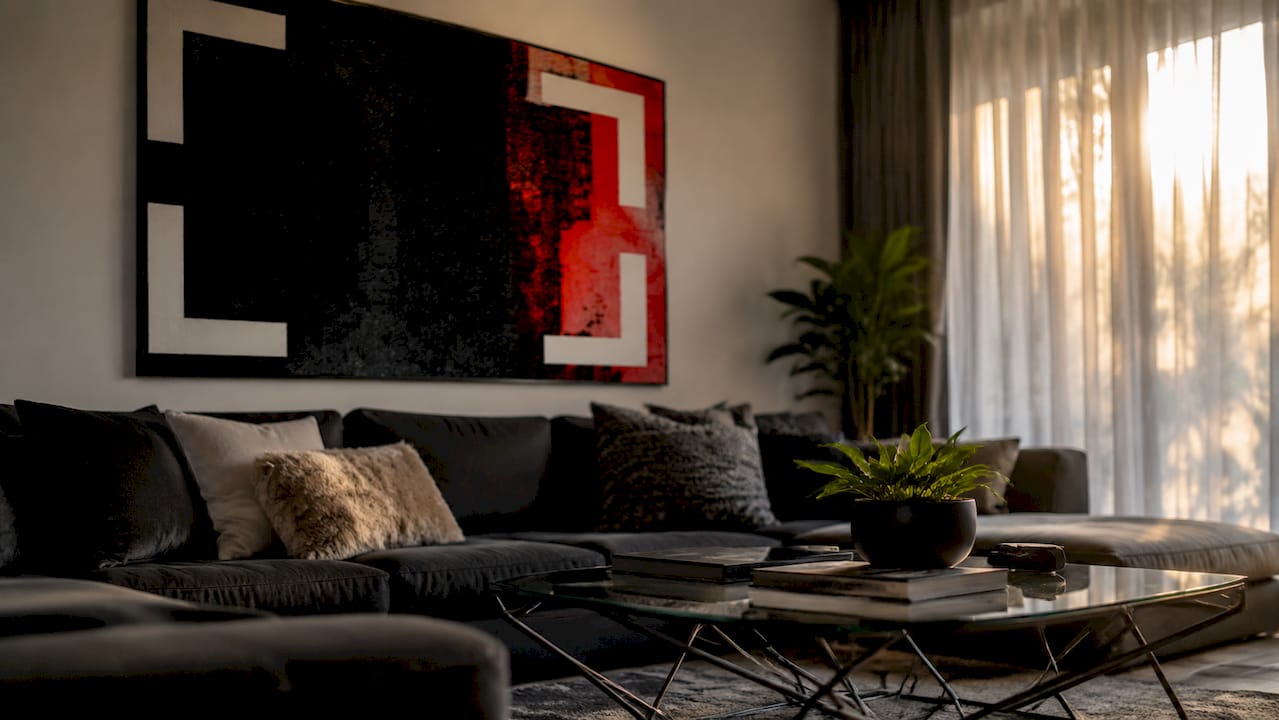
The size tiers matter because they determine more than aesthetics. Each jump in scale introduces new structural demands that affect how the piece is built, shipped, and mounted. Knowing which tier your wall can accommodate saves you from a costly mismatch between ambition and architecture.
| Size tier | Dimensions | Typical use |
|---|---|---|
| Entry oversized | 36–40 inches (one dimension) | Above sofa, bedroom accent wall |
| Advanced oversized | 40x60 inches | Living room focal wall, dining room |
| Large format | 60–80 inches | Open-plan spaces, high ceilings |
| Extra-large | 81+ inches | Commercial, loft, or statement walls |
Beyond a certain scale, the frame itself becomes an engineering project. Reinforced framing materials such as backing boards, heavy-duty joinery, and weight distribution systems prevent warping and bowing over time. Humidity is also a factor: large substrates expand and contract more than small ones, so framers use moisture-resistant materials and floating mount systems to protect the artwork’s structural integrity across seasons.
Measuring your wall correctly before purchasing is non-negotiable. Use painter’s tape to mark the proposed dimensions on the wall and live with the outline for a day. This simple test reveals whether the scale feels right in natural and artificial light, and whether the piece will compete with or complement architectural features like windows and doorways.
Pro Tip: Before ordering any piece above 40 inches, consult Artify’s size guide to match dimensions to your specific wall and furniture arrangement.
Why large wall art transforms a room
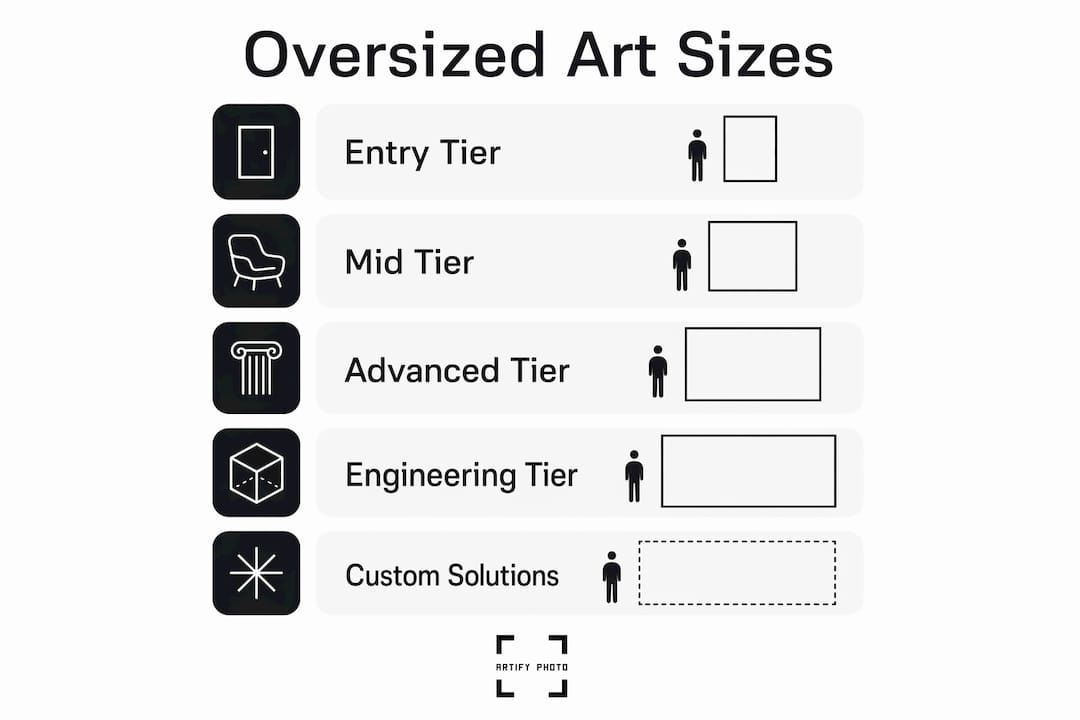
Large-scale art functions as spatial storytelling, defining the emotional register of a room and serving as a true architectural element rather than mere decoration. This distinction separates oversized art from conventional decor: it does not sit on a wall so much as it activates it.
The spatial effects are measurable and predictable once you understand the mechanics:
- Horizontal pieces make rooms appear wider by drawing the eye along the horizontal plane, a useful trick in narrow living rooms or hallways.
- Vertical pieces add perceived height, making low-ceiling rooms feel more open and airy.
- A single large work requires only one mounting point, simplifying installation and creating a cleaner, more intentional focal point compared to a gallery wall arrangement.
- Color and contrast in oversized pieces set the room’s temperature. Warm-toned abstract art makes a space feel intimate; cool-toned photography creates calm and openness.
The neurological impact is equally real. Large-format art pieces can trigger dopamine and oxytocin, effectively setting a room’s emotional mood beyond mere decoration. This means the art you choose at scale is not just a visual decision. It is a daily emotional experience for everyone who lives in or visits the space.
Oversized wall art for a living room performs especially well above a sofa or fireplace, where the piece anchors the seating arrangement and gives the eye a clear destination. Without that anchor, even well-furnished rooms can feel unresolved and incomplete.
How to choose the right size and style
Choosing the right size starts with a single design rule: the two-thirds guideline. Select art that spans approximately two-thirds the width of the furniture beneath it. For a 90-inch sofa, that means a piece roughly 60 inches wide. This ratio creates visual balance without making the art feel cramped or the furniture feel overwhelmed.
The most common mistake buyers make is going too small. Undersizing creates a disjointed, apologetic look, as if the art is apologizing for being there. Leaning into scale creates architectural impact and anchors furniture with confidence. When in doubt, size up.
Popular oversized artwork styles in 2026 include:
- Abstract expressionism on canvas. Large brushwork and bold color fields read well at scale and suit both contemporary and transitional interiors. Artify’s abstract framed canvas pieces demonstrate how expressive mark-making gains power when the format is generous.
- Large-format photography. Landscape and architectural photography printed on acrylic or metal delivers sharp detail and depth that smaller formats cannot replicate.
- Minimalist line art. Single-line or geometric compositions on oversized canvas create visual impact without overwhelming a neutral room.
- Botanical and nature prints. Oversized botanical illustrations bring organic texture and color into spaces that lack natural elements.
Material choice matters as much as style. Canvas wraps are lightweight relative to their size and suit most residential walls. Acrylic prints are heavier but deliver a luminous, gallery-quality finish. Metal prints are the most durable option and work particularly well in modern or industrial interiors. Each material affects the framing requirements, shipping weight, and final installation method, so factor these into your decision alongside aesthetics.
Practical tips for hanging and styling oversized art
Installation is where most oversized art projects go wrong. Planning the logistics before the piece arrives prevents damage to both the artwork and your walls.
- Measure every access point. Doorways, stairwells, and hallways must all accommodate the piece’s dimensions. Transport and installation logistics are the most underestimated challenge in buying large art, and a piece that cannot fit through a doorway is a piece you cannot hang.
- Find the studs. Any piece above 40 inches and heavier than 20 pounds needs to be anchored into wall studs, not just drywall. Use a stud finder and heavy-duty picture hooks rated for the artwork’s weight.
- Center at eye level. The standard hanging height places the center of the artwork at 57 to 60 inches from the floor, which aligns with average eye level. In rooms with very high ceilings, you can raise this slightly, but avoid hanging art so high that it disconnects from the furniture below.
- Use a paper template. Cut kraft paper to the exact dimensions of the piece and tape it to the wall before drilling. This lets you adjust position without committing to holes.
- Keep surrounding space clear. Oversized art needs breathing room. Avoid placing competing decor elements directly beside or below it. Treat the piece as the room’s anchor and let other elements support it rather than rival it.
Pro Tip: Artify’s ordering and delivery guide covers packaging specifications and handling instructions for large-format pieces, which is worth reviewing before your artwork ships.
Styling oversized art well means resisting the urge to fill every surface around it. A large piece on a clean wall communicates confidence. Cluttering the surrounding space undermines the very impact you paid for.
Key takeaways
Oversized wall art, defined as any piece exceeding 36 to 40 inches, transforms a room by anchoring furniture, directing the eye, and triggering measurable emotional responses through scale and composition.
| Point | Details |
|---|---|
| Size definition | Oversized art starts at 36 to 40 inches; pieces above 40x60 inches need reinforced framing. |
| Structural requirements | Advanced oversized pieces require backing boards, heavy-duty joinery, and humidity-resistant materials. |
| Spatial psychology | Horizontal pieces widen rooms; vertical pieces add height; both effects are predictable by format. |
| Sizing rule | Apply the two-thirds rule: art should span roughly two-thirds the width of the furniture beneath it. |
| Installation planning | Measure doorways, stairwells, and wall studs before purchasing to avoid logistical problems on delivery day. |
Why scale is the most underrated decision in home decor
At Artify, we see the same pattern repeat itself constantly. A customer carefully selects a beautiful piece, chooses the right style, picks a color palette that works with their room, and then orders it in a size that is 30 percent too small. The result is a technically correct but emotionally flat room. The art is there, but it is not doing anything.
The uncomfortable truth about oversized wall art is that most people are afraid of it. Scale feels like a commitment. A large piece feels harder to change than a small one, so buyers default to cautious sizing. But caution at this stage is exactly what produces forgettable interiors.
What I have learned from watching thousands of rooms come together is that the pieces people remember, the ones that make guests stop and look, are almost always the ones where the buyer committed to scale. A 60-inch abstract canvas above a sofa does not just fill a wall. It changes the entire emotional register of the room. The furniture feels intentional. The space feels curated. The room feels finished in a way that no gallery wall of small prints can replicate.
The practical lesson is this: if you are deciding between two sizes, choose the larger one. If the two-thirds rule gives you a number that feels bold, trust it. The rooms that photograph well, that feel genuinely designed rather than assembled, are the ones where someone made a confident size decision and committed to it.
— Artify
Bring your walls to life with Artify
Choosing oversized wall art is easier when you can see exactly how a piece will look in your space before you order. Artify’s pre-made collections include large and oversized works across abstract, photographic, botanical, and contemporary styles, each available in multiple sizes with framing options designed for residential walls.
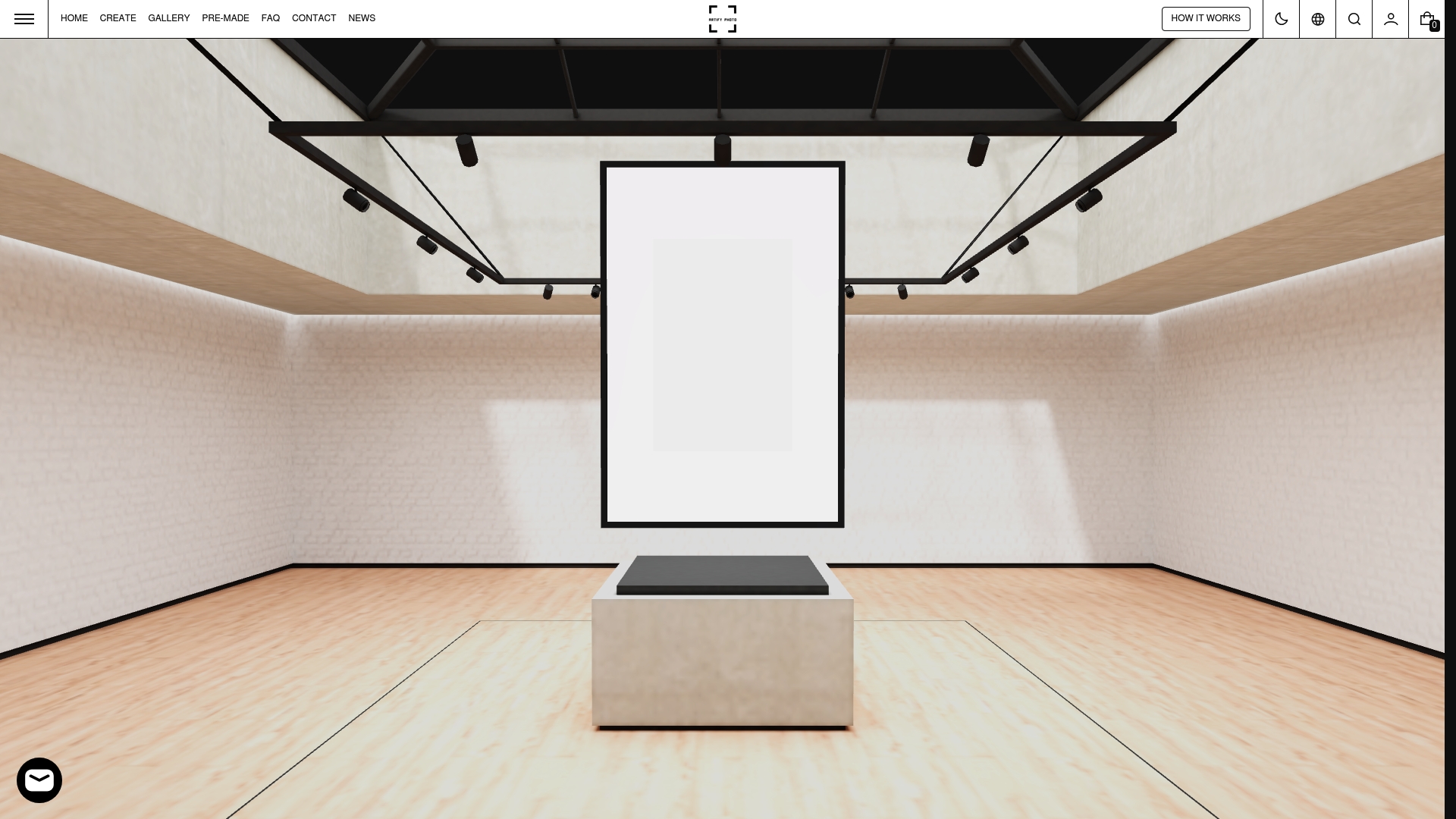
Every piece ships with detailed hanging instructions and is produced on demand by independent artists, so the quality and originality are built into the process. Artify’s 3D room preview tool lets you place any artwork on a virtual version of your wall before committing, removing the guesswork from scale decisions. Browse the full artwork catalog to find oversized pieces that match your room’s dimensions, color palette, and style direction.
FAQ
What size is considered oversized wall art?
Oversized wall art is generally defined as any piece exceeding 36 to 40 inches in width or height. Works above 40x60 inches are classified as advanced oversized and require specialized framing with reinforced structural support.
How do I know what size art to buy for my wall?
Apply the two-thirds rule: choose art that spans approximately two-thirds the width of the furniture beneath it. For a 90-inch sofa, that means a piece roughly 60 inches wide for proper visual balance.
Does oversized art make a small room look bigger or smaller?
Horizontal oversized pieces make rooms appear wider, while vertical pieces add perceived height. Choosing the right orientation for your room’s proportions can make a small space feel significantly more open.
What materials are best for oversized wall art?
Canvas wraps are lightweight and versatile for most walls. Acrylic prints deliver a high-gloss, gallery-quality finish. Metal prints are the most durable and suit modern or industrial interiors. Each material affects framing requirements and installation weight.
What are the biggest mistakes when hanging oversized art?
The two most common mistakes are undersizing the piece relative to the furniture and failing to measure access points like doorways and stairwells before the artwork is delivered. Both errors are avoidable with basic planning before purchase.